
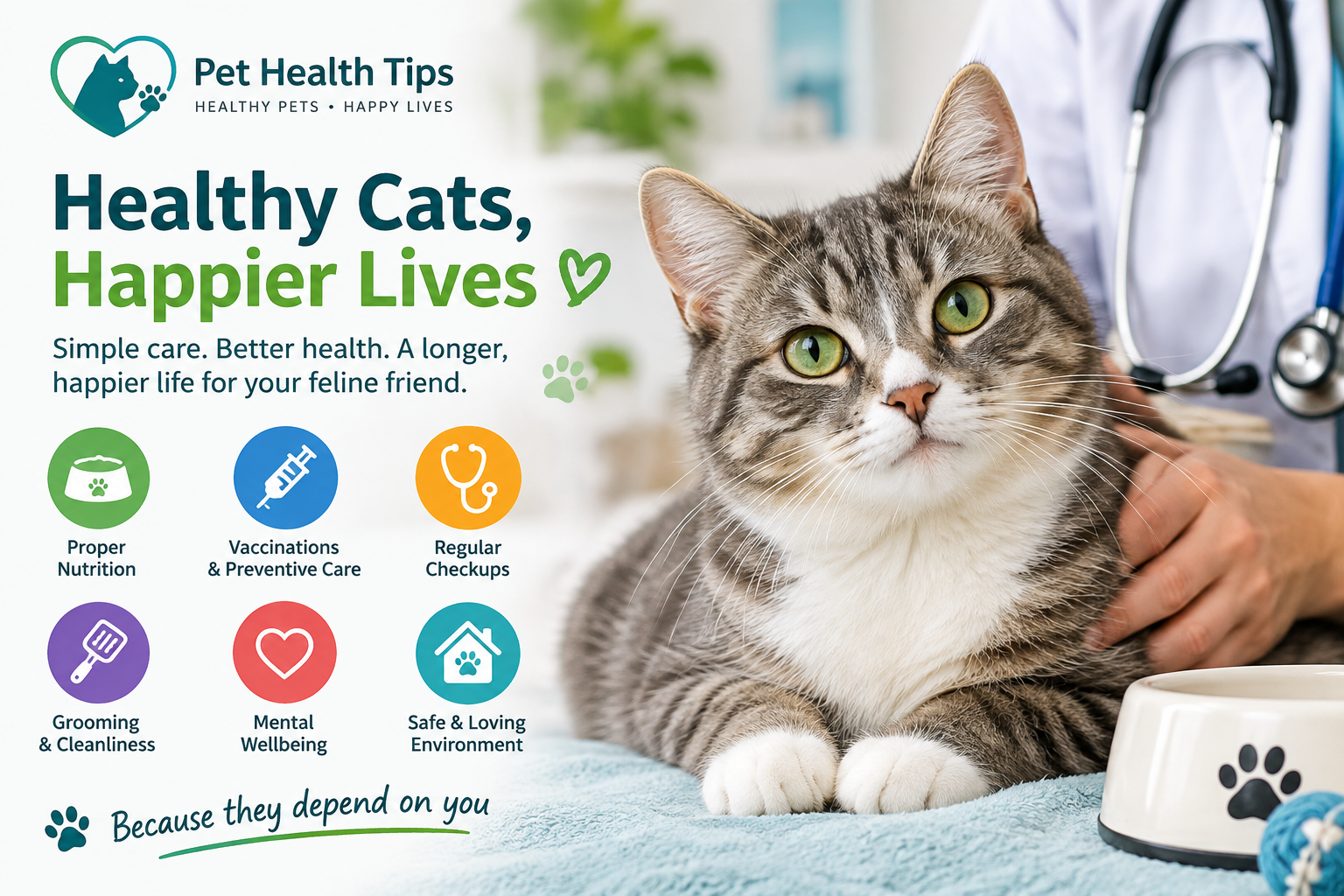
Cats are independent, curious, and loving pets, but they still need regular care to stay healthy and happy. From proper nutrition and grooming to vaccinations and regular veterinary checkups, small daily habits can make a big difference in your cat’s overall well-being.
Whether you are a new cat owner or have been caring for cats for years, these practical cat health care tips can help you give your pet a healthier and more comfortable life.

1. Give Your Cat a Balanced Diet
Good nutrition is one of the most important parts of cat health. Cats need food that provides the right balance of protein, fats, vitamins, minerals, and other nutrients.
Choose a quality cat food appropriate for your cat’s:
- Age
- Size
- Activity level
- Health condition
- Life stage
Kittens, adult cats, and senior cats have different nutritional requirements. Always provide fresh, clean drinking water and avoid giving your cat foods that may be harmful to them.
If you are unsure about the right diet or portion size, ask your veterinarian for personalized advice.
2. Keep Fresh Water Available
Cats can sometimes drink less water than they need, which can contribute to urinary and other health problems.
Make sure your cat has access to fresh water every day. Wash the water bowl regularly and place it somewhere that is easy for your cat to reach.
Some cats prefer moving water, so a pet water fountain may encourage them to drink more.
3. Schedule Regular Veterinary Checkups
Regular veterinary visits can help detect health problems before they become serious.
During a checkup, your veterinarian may examine your cat’s:
- Teeth and gums
- Eyes and ears
- Skin and coat
- Weight and body condition
- Heart and breathing
- Overall physical health
The appropriate frequency of veterinary visits depends on your cat’s age and health. Kittens, senior cats, and cats with ongoing health conditions may need more frequent examinations.
4. Keep Vaccinations Up to Date
Vaccinations help protect cats from several infectious diseases. Your veterinarian can recommend a vaccination schedule based on your cat’s age, lifestyle, environment, and exposure risk.
Even indoor cats may benefit from appropriate vaccinations because some infectious diseases can still be encountered through other animals or contaminated environments.
Keep a record of your cat’s vaccinations and discuss boosters with your veterinarian.
5. Take Care of Your Cat’s Teeth
Dental health is often overlooked, but it is an important part of overall cat care.
Plaque and tartar can build up on a cat’s teeth and contribute to gum disease and other oral problems.
Helpful dental care habits include:
- Regularly checking your cat’s mouth
- Using cat-safe dental products
- Providing veterinarian-recommended dental care
- Scheduling professional dental examinations when recommended
Never use human toothpaste on your cat unless specifically instructed by a veterinarian, as some ingredients can be harmful to pets.
6. Groom Your Cat Regularly
Regular grooming helps keep your cat’s coat clean and allows you to notice changes in their skin or body.
Brush your cat according to its coat type. Long-haired cats generally require more frequent brushing to prevent mats and tangles.
During grooming, look for:
- Lumps or unusual swelling
- Skin irritation
- Fleas or other parasites
- Bald patches
- Wounds
- Changes in the coat
Regular nail trimming can also help prevent overgrown claws and discomfort.
Final Thoughts
Taking care of a cat involves more than providing food and a place to sleep. A healthy cat needs proper nutrition, fresh water, preventive veterinary care, dental and grooming care, exercise, parasite prevention, and a safe environment.
Most importantly, get to know your cat’s normal habits. When you understand what is normal for your pet, you are more likely to notice changes early and seek professional help when necessary.
Remember: Online pet-care information should not replace advice from a qualified veterinarian. If your cat is sick, injured, showing unusual symptoms, or experiencing a sudden change in behavior, contact a veterinarian for professional guidance.