
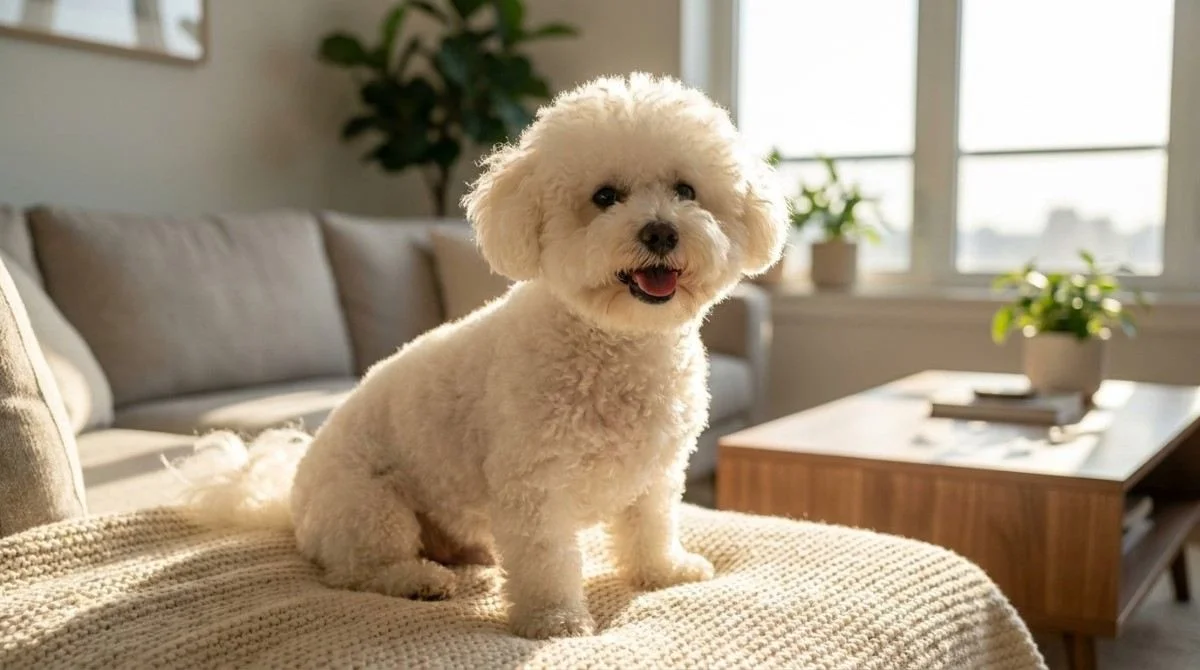
Small Fluffy Dog Care Tips for easy grooming, coat care, and daily health. Learn how to keep your small fluffy dog clean and happy every day.
Small Fluffy Dog Care Tips
By the Pet Health Tips team
If you share your home with a little ball of fur, you already know the joy a tiny dog brings. But good small fluffy dog care tips make the difference between a pup with a soft. Tangle-free coat and one who ends up matted, itchy, or facing a health problem you didn’t catch early. Small, fluffy breeds need a bit more upkeep than short-haired dogs. This guide covers everything from brushing and bathing to feeding, exercise, and vet visits, written for real US pet owners with real, busy schedul
Small fluffy dogs need daily brushing to stop tangles. A gentle bath every three to four weeks, measured portions of quality small-breed food. Two short walks a day, and a vet checkup once a year. Get those five habits right, and most fluffy breeds stay clean, comfortable, and healthy for life.
Small Fluffy Dog Breeds at a Glance
Before diving into the details, here’s a quick side-by-side look at some popular small fluffy breeds and what they actually need day to day.
| Breed | Shedding Level | Brushing Needed | Good for Apartments? |
| Pomeranian | Low to medium | Daily | Yes |
| Bichon Frise | Very low | Daily | Yes |
| Shih Tzu | Low | Daily | Yes |
| Maltese | Very low | Daily | Yes |
| Yorkshire Terrier | Low | Every other day | Yes |
What Makes a Dog “Small Fluffy Dog Care Tips”?
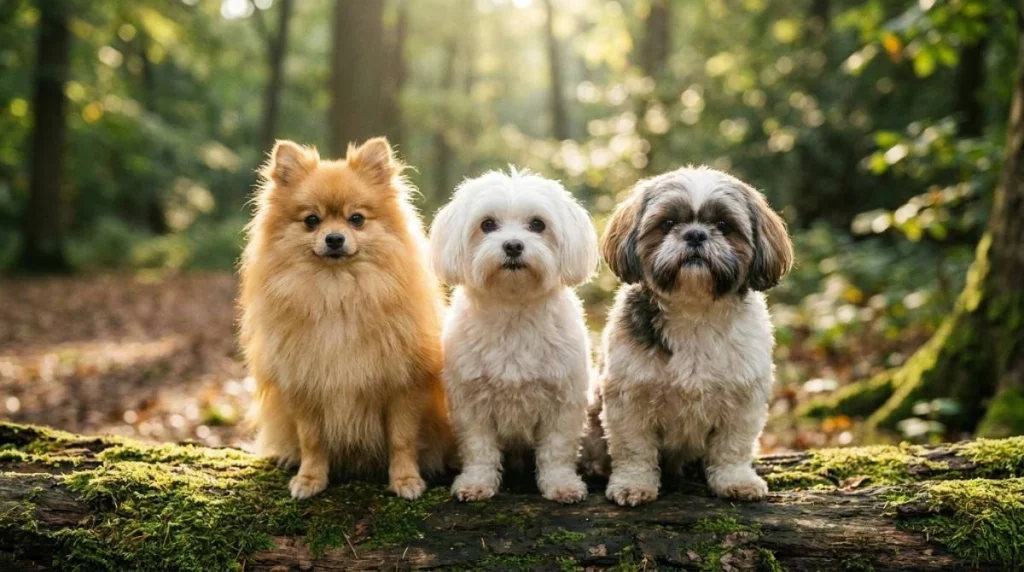
Small fluffy dogs usually weigh under 20 pounds and carry a soft double coat — two layers of fur made up of a fuzzy undercoat and a longer top coat. Breeds like the Pomeranian, Bichon Frise, Shih Tzu, and Maltese are famous for this look. It’s adorable, but it also means more upkeep than a short-haired dog needs.
Types of Fluffy Coats You’ll See
- Double coats — thick and fluffy, shed heavily, common in Pomeranians
- Curly coats — tight curls that trap loose hair instead of shedding it onto the floor, common in Bichon Frises and Poodles
- Long silky coats — smooth and flowing, common in Maltese and Shih Tzus
Knowing your dog’s coat type helps you choose the right brush and the right bathing schedule, since a curly coat and a silky coat mat in different ways.
Small Fluffy Dog Grooming Tips
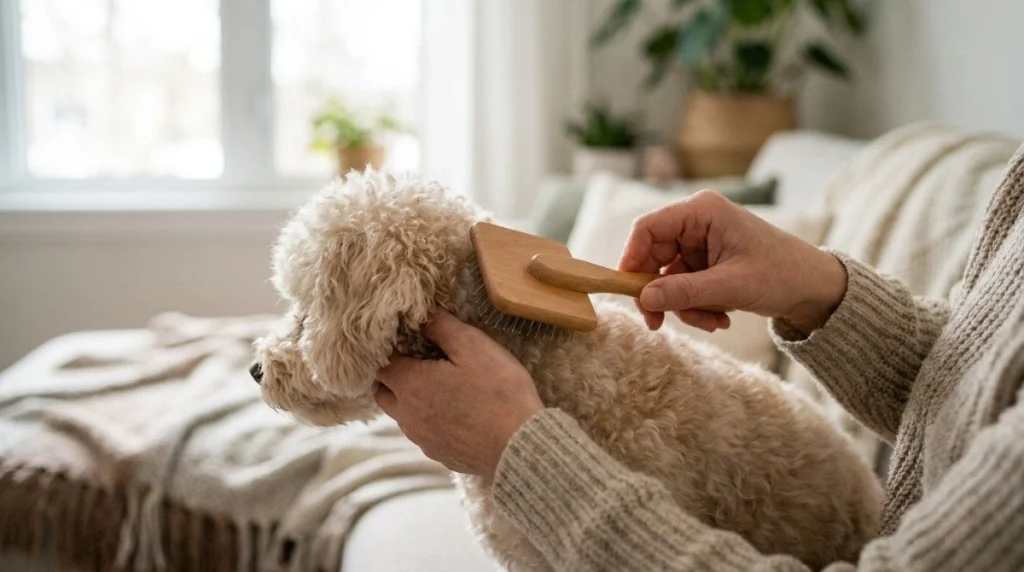
Coat care is where most owners struggle, and it’s the heart of small fluffy dog care tips that actually work.
How Often Should You Brush a Fluffy Dog?
Most fluffy breeds need brushing every single day. A quick five- to ten-minute session with a slicker brush removes loose fur before it turns into a mat — a tight knot of hair that pulls on the skin and can trap dirt or moisture underneath. Skip brushing for even a week, and tangles can build up fast, especially behind the ears, under the legs, and around the tail.
Brush in the direction the fur grows first, then go against the grain once to lift loose undercoat hair. A treat afterward turns brushing into something your dog looks forward to instead of dreads.
Bath Time Basics
Bathe a small fluffy dog every three to four weeks. Washing more often can strip the natural oils that keep skin and coat healthy, leading to dryness and itching. Always use a gentle, dog-safe shampoo — human shampoo is too harsh for a dog’s skin and can leave it dry or flaky.
Towel-dry first, then finish with a blow dryer on the lowest, coolest setting. Letting a thick double coat air-dry can trap moisture near the skin, which sometimes leads to a musty smell or a mild skin infection underneath.
Nail, Ear, and Eye Care
Small dogs don’t wear down their nails naturally the way active, larger dogs do on rough pavement. Trim nails every three to four weeks, or have a groomer handle it. Check ears weekly for redness or an unusual smell, which can signal an infection. Wipe away tear stains around the eyes with a damp, soft cloth — this is especially common in white, fluffy breeds like the Maltese and Bichon Frise.
Feeding a Small Fluffy Dog Care Tips the Right Way
Good food supports a shiny, healthy coat just as much as good grooming does.
Watch the Portions
Small dogs need far fewer calories than most people expect. Just ten extra calories a day — about one small treat — can add up to a full pound of extra weight over a year. That’s a serious amount on a dog who only weighs eight or ten pounds to begin with. Measure food with an actual measuring cup, and count treats as part of the daily total rather than as extras.
Picking Quality Food
Look for a dog food made specifically for small breeds. These recipes use smaller kibble pieces that are easier for tiny mouths to chew, along with the protein and fat balance that matches a small dog’s faster metabolism. Foods with added Omega-3 and Omega-6 fatty acids also support a soft coat and can help cut down on excess shedding.
Exercise and Mental Stimulation for Small Dogs
Even a small fluffy dog needs to move every day. Two short walks, plus some playtime with toys, keeps both the body and the mind healthy. Bored small dogs often turn to barking, chewing, or other habits nobody wants. Puzzle toys, a quick game of fetch down a hallway, or a short training session all count as exercise — useful on rainy days when a walk outside isn’t an option.
Health Checks Every Small Fluffy Dog Care Tips Owner Should Know
Common Health Issues in Small Breeds
Small, fluffy breeds tend to run into a handful of specific health problems more often than larger dogs:
- Luxating patella — a kneecap that slips out of place, sometimes causing a skip in the dog’s step
- Dental disease — small mouths mean crowded teeth, which speeds up plaque buildup
- Tracheal collapse — a weak windpipe that can cause a dry, honking cough, common in tiny breeds
- Skin allergies — a fluffy coat can trap pollen, dust, and other irritants close to the skin
When to Call the Vet
Call your vet if you notice limping, a change in appetite, excess scratching, or bad breath that doesn’t clear up with brushing. Small dogs tend to hide pain well, so a subtle drop in energy or a shift in mood is often the first real clue that something’s wrong. Most vets recommend a checkup at least once a year for adult dogs, and twice a year once a dog reaches its senior years.
Home Safety Small Fluffy Dog Care Tips
Small size brings risks that bigger dogs simply don’t face. A fall from a couch or bed can injure a tiny dog’s legs or spine, so pet stairs or a small ramp near furniture your dog is allowed on are worth the investment. Always use a harness instead of a collar for walks — a collar puts direct pressure on a small dog’s throat, and repeated pressure over time can cause real damage.
Watch the temperature too. A thick, fluffy coat can trap heat, so small fluffy dogs can overheat fast in a hot US summer. In winter, despite all that fur, they can still get cold quickly, since a fluffy topcoat isn’t the same as an undercoat built to handle freezing temperatures. A sweater on a cold walk isn’t just for looks — it genuinely helps.
Training and Socializing Your Fluffy Companion
Small dogs are sometimes under-trained simply because owners assume their size makes bad behavior harmless. But a well-trained dog is a safer, calmer dog no matter how much it weighs. Basic commands — sit, stay, come — matter just as much for a five-pound dog as for a fifty-pound one .American Kennel Club’s dog groomhttps://www.akc.org/expert-advice/health/grooming/ing guide. Early socializing, meeting new people, dogs, and places while young, helps head off the nervous barking and small dog syndrome that some fluffy breeds are known for.
A Simple Weekly Care Checklist
Keep this list somewhere handy, like on the fridge, so small fluffy dog care becomes second nature instead of a chore you have to remember.
- Brush coat: every day
- Check ears and eyes: once a week
- Trim nails: every 3 to 4 weeks
- Bath: every 3 to 4 weeks
- Vet checkup: once or twice a year
- Walks: twice a day
Final Thoughts
Caring for a small fluffy dog isn’t complicated once you build a routine around it. Daily brushing, the right food, regular vet visits, and a safe home go a long way toward a long, comfortable life for your pup. Every fluffy breed is a little different, so watch your own dog closely and adjust these small fluffy dog care tips to fit what they actually need.
Want more practical, no-nonsense pet care advice? Browse the full Pet Health Tips library for guides on other breeds, health topics, and everyday dog care, or subscribe to our newsletter so new guides land straight in your inbox.For more pet care advice
FAQs
Q1: What are the best small fluffy dog care tips for beginners?
Brush your dog daily, bathe every three to four weeks, feed a measured, small-breed food, and book a yearly vet visit.
Q2: How often should I follow small fluffy dog care tips like brushing and bathing?
Brush most fluffy breeds every day and bathe them about once a month, adjusting slightly for coat type and activity level.
Q3: Why do small fluffy dogs care tips shed so much?
Many fluffy breeds have a double coat — a soft undercoat plus a longer top coat — and the undercoat sheds year-round, with heavier shedding during seasonal coat changes.
Q4: What’s the best brush for a small fluffy dog?
A slicker brush is the standard choice for most fluffy coats, paired with a metal comb to check for hidden mats close to the skin.
Q5: Do small fluffy dogs need haircuts?
Most fluffy breeds benefit from a trim every six to eight weeks, especially around the eyes, paws, and sanitary area, even if you keep the coat long overall.
Q6: How can I stop my small fluffy dog’s fur from matting?
Brush daily, all the way down to the skin, and dry your dog fully after every bath — most mats form from moisture trapped near the roots.
Q7: Are small fluffy dogs good for apartments?
Yes most small fluffy breeds, like the Bichon Frise, Maltese, and Shih Tzu, adapt well to apartment life because of their size and moderate exercise needs.